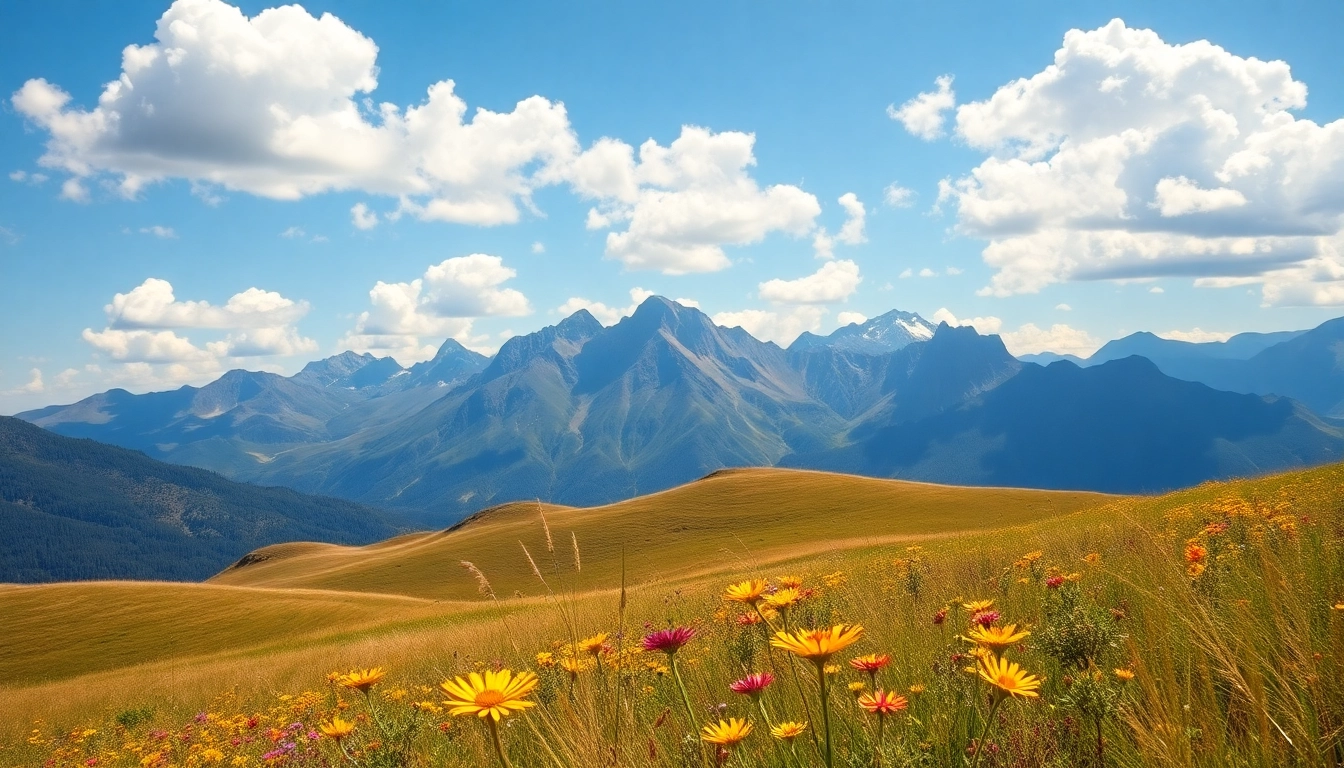
Understanding Landscapes and Their Importance
Landscapes shape our world in profound ways, influencing ecosystems, providing mental spaces for rejuvenation, and forming a natural backdrop that enhances our daily experiences. The concept of landscapes encompasses not only the natural terrains we see but also the human-made environments that reflect our culture and creativity. This article delves into the multifaceted world of landscapes, examining their definitions, ecological significance, and contributions to our mental well-being.
Defining Landscapes
Landscapes are complex, with various definitions based on different contexts. Broadly speaking, a landscape refers to a portion of land that can be viewed at one time, comprising its physical features such as mountains, hills, fields, and bodies of water. However, landscapes are not just about the physical elements; they also include the cultural and human interactions that shape and are influenced by these environments. This integrated understanding highlights how landscapes reflect both natural history and contemporary human habits.
The Role of Landscapes in Ecosystems
Ecosystems are established through intricate interactions among living organisms and their environments, and landscapes are fundamental to these interactions. They provide essential habitats for flora and fauna, regulate water cycles, and influence local climates. Each landscape type—be it wetlands, forests, savannas, or urban areas—hosts a unique set of organisms adapted to specific conditions. The diversity of landscapes fosters biodiversity, creating resilient ecosystems that can adapt to changes and disruptions. Additionally, landscapes serve as critical buffers against environmental issues, helping to mitigate climate change by storing carbon and regulating temperatures.
Benefits of Natural Landscapes for Mental Health
Numerous studies have established a strong connection between exposure to natural landscapes and mental health benefits. Natural settings can enhance mood, reduce stress, and improve overall well-being. The phenomenon known as "nature therapy" explores how time spent in environments like forests, mountains, and coastal areas can lower cortisol levels, increase serotonin, and promote feelings of tranquility. Moreover, these landscapes offer opportunities for physical activities such as hiking and biking, which further contribute to mental and physical health. Engaging with nature helps individuals reconnect with their surroundings, fostering mindfulness and a sense of belonging.
Types of Landscapes
Natural Landscapes
Natural landscapes are unaltered terrains shaped by various natural processes. They include mountains, rivers, forests, deserts, and wetlands. These landscapes exhibit intrinsic beauty and play critical roles in sustaining biodiversity. National parks and protected areas often showcase these natural landscapes, preserving unique ecosystems and providing recreational opportunities for people to connect with nature. Conservation efforts are paramount in maintaining the integrity of these ecosystems against threats like climate change and urban development.
Urban Landscapes
Urban landscapes represent human-made environments shaped by architecture, infrastructure, and urban planning. These landscapes include cities, towns, suburbs, and industrial areas. While urban landscapes can sometimes lack the tranquility of natural settings, they also offer rich experiences, cultural activities, and opportunities for social interaction. Effective urban design focuses on integrating green spaces, sustainable building practices, and public transportation to enhance the livability of urban areas while addressing environmental concerns. Creating urban landscapes that harmonize with nature can lead to healthier communities and improved quality of life.
Cultural Landscapes
Cultural landscapes reflect the relationship between people and their environment over time, showcasing how human culture has modified natural settings. This includes agricultural landscapes, historical sites, and regions with significant cultural traditions. Such landscapes are vital for preserving heritage, identity, and traditions, often embodying the collective memory of communities. They serve as living laboratories for understanding historical land use and environmental stewardship, providing valuable lessons for future generations about sustainable interaction with natural resources.
Techniques for Capturing Landscapes in Photography
Choosing the Right Time of Day
The time of day significantly influences landscape photography. Early mornings and late afternoons, during the 'golden hours,' provide soft, diffused light that enhances colors and adds depth. Photographers should consider the sun's position when planning their shots. The golden hour creates ethereal landscapes, whereas midday light may be harsh and create unwelcome shadows. Experimenting with various times allows photographers to capture dynamic and compelling imagery that tells a story about the landscape.
Essential Equipment and Settings
Essential equipment for landscape photography includes a sturdy tripod, a DSLR or mirrorless camera, and various lenses, particularly wide-angle lenses for expansive views. Incorporating filters, such as polarizing filters, can enhance colors and reduce glare. Understanding camera settings like aperture, shutter speed, and ISO is critical. A wider aperture allows for a shallow depth of field, bringing focus to foreground elements, while a smaller aperture enhances sharpness throughout the image. Balancing these settings according to the landscape and desired effects is crucial for compelling compositions.
Composition Techniques for Stunning Shots
Composition in landscape photography involves arranging elements within the frame to create visual harmony. Techniques such as the rule of thirds help position points of interest, while leading lines guide the viewer’s eye through the image. Including foreground, middle ground, and background creates depth and informs the audience about the landscape’s scale. Experimenting with different angles and perspectives can reveal unique features and evoke emotions. Ultimately, photographers should aim for compositions that resonate with viewers and convey the essence of the landscape.
Landscapes Conservation Efforts
Importance of Preserving Natural Landscapes
Preserving natural landscapes is crucial for ecological health and biodiversity. These areas provide habitats for endangered species, help maintain genetic diversity, and act as critical buffers against climate change. Conservation initiatives focus on protecting regions from urbanization, pollution, and resource exploitation. Education and awareness campaigns encourage individuals to appreciate and advocate for natural landscapes, promoting a culture of sustainability that emphasizes responsible stewardship and environmental ethics.
Community Involvement in Conservation
Community engagement plays a vital role in conservation efforts. Local communities are often the best stewards of natural landscapes, possessing valuable knowledge about local ecosystems. Participatory approaches, such as community-led clean-up events and wildlife monitoring programs, foster a sense of ownership and responsibility. Involving communities ensures that conservation strategies are informed by local needs and values, thus increasing their effectiveness and sustainability over time.
How to Get Involved
Individuals can contribute to conservation efforts by participating in local organizations and initiatives focused on protecting landscapes. Volunteering for clean-up events, tree-planting programs, or educational workshops can significantly impact preservation. Supporting policies that promote sustainability and responsible land-use practices can enhance conservation efforts on a broader scale. Consider advocating for protected areas and educating others about the importance of maintaining landscape integrity; every small action contributes to a more sustainable future.
Transforming Landscapes: Design and Rehabilitation
Techniques for Landscape Design
Effective landscape design intertwines aesthetics with functionality. Techniques include site analysis to assess existing conditions, selecting appropriate plant species that thrive in local climates, and integrating water management systems to mitigate the effects of erosion and runoff. Utilizing native plants can enhance ecological value and reduce maintenance. Landscape architects often employ zoning strategies to define areas for various uses, ensuring that the design respects both human and ecological needs.
Case Studies of Successful Rehabilitation
Rehabilitation success stories illustrate the impact of thoughtful landscape transformations. For example, the restoration of degraded wetlands has not only helped improve water quality but boosted biodiversity by reintroducing native species. Projects like the urban greening of previously barren areas have demonstrated increased property values, reduced urban heat, and enhanced community well-being. These case studies highlight the importance of strategic planning and community involvement in achieving lasting, positive outcomes.
Future Trends in Landscape Architecture
The future of landscape architecture is increasingly focused on sustainability and resilience. Trends include designing landscapes that adapt to climate change, such as incorporating permeable surfaces to manage flooding and using drought-resistant plants. Urban landscapes will increasingly feature biophilic design principles, which integrate natural elements into built environments, enhancing both aesthetics and psychological benefits. The utilization of technology, such as drones for land surveying and virtual reality for planning, is likely to revolutionize landscape design processes going forward.
FAQs About Landscapes
What are the different types of landscapes?
Landscapes can be categorized into natural, urban, and cultural landscapes, each representing different human and ecological interactions.
How do landscapes affect mental health?
Exposure to natural landscapes promotes relaxation, reduces stress, and enhances overall well-being, thanks to their calming effects and beauty.
What is the role of landscapes in ecosystems?
Landscapes provide essential habitats for biodiversity, regulate climate, and support ecological processes crucial for environmental health.
Why is landscape conservation important?
Conservation protects habitats, sustains biodiversity, and mitigates climate impacts, ensuring future generations can enjoy natural landscapes.
How can I get involved in landscape conservation?
You can participate in local conservation projects, volunteer for clean-up initiatives, and advocate for sustainable practices in your community.