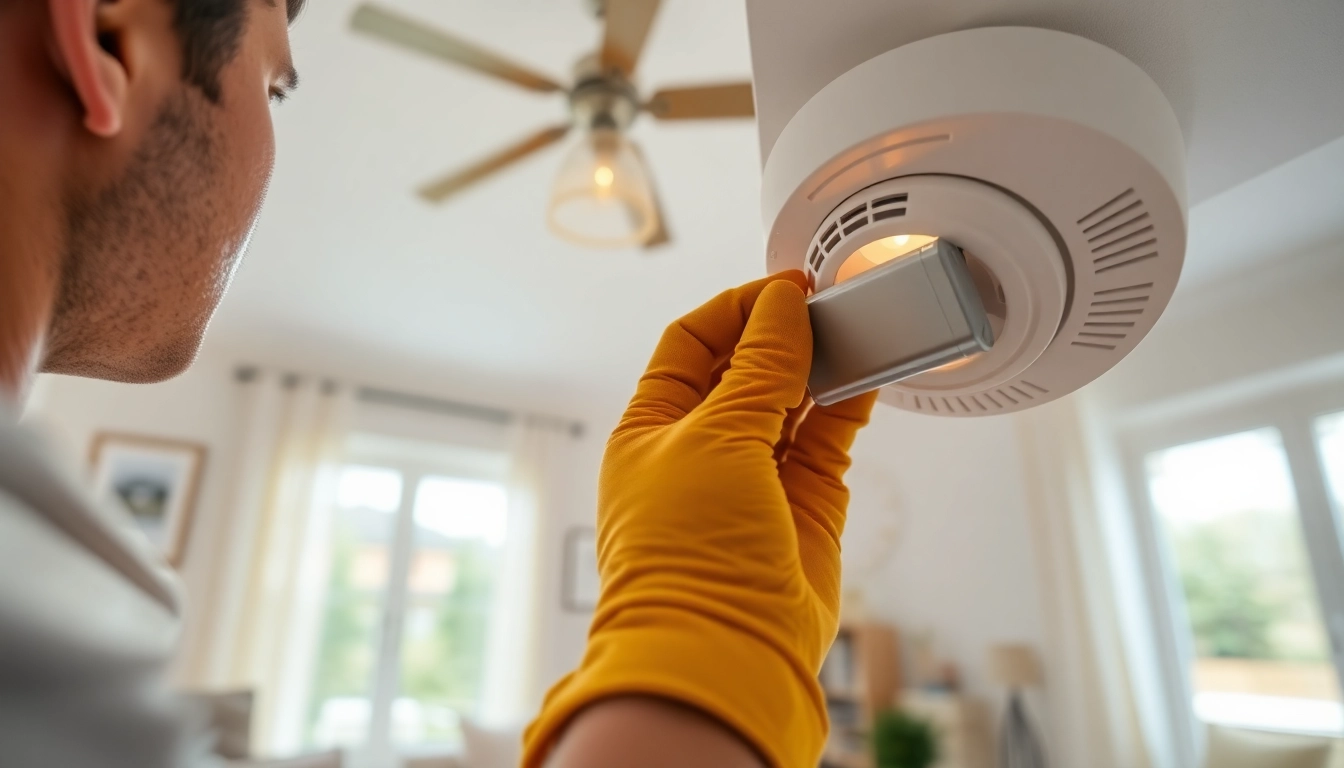
Understanding Smoke Detector Batteries
Smoke detectors are one of the most essential safety devices in any home or commercial space, serving as a critical first line of defense against fire hazards. To ensure optimal functionality, it is crucial to understand the role of smoke detector batteries. These batteries not only power the smoke detectors but are also key to their overall effectiveness. If you're considering how to manage or replace your smoke detector battery, you might want to dive deeper into the types available and factors that affect battery life and performance.
Types of Smoke Detector Batteries
Smoke detector batteries come in several types, each with its own benefits and characteristics:
- Alkaline Batteries: These are standard batteries often found in basic smoke detectors. They tend to be cost-effective but usually have shorter lifespans compared to other battery types.
- Lithium Batteries: Known for their longevity, lithium batteries can often last up to ten years, and some smoke detectors even come with built-in lithium batteries, making them completely maintenance-free for that duration.
- Nickel Cadmium (NiCd) Batteries: These are rechargeable batteries that can also be used in smoke detectors. While they have a longer lifespan, they may require regular charging, which can be inconvenient in emergencies.
- Renewable Energy Solutions: With advances in technology, some smoke detectors now come with solar-powered options that can provide a sustainable alternative for energy supply.
Choosing the Right Smoke Detector Battery
When selecting a battery for your smoke detector, consider the following:
- Compatibility: Always check that the battery type matches the manufacturer’s specifications. Not all batteries are interchangeable.
- Battery Life: If convenience is a priority, opt for long-lasting lithium batteries or consider units with built-in batteries to avoid replacements.
- Environmental Factors: Extreme temperature changes can affect battery performance. If your smoke detector is placed in areas subject to such changes, select batteries designed to operate effectively in those conditions.
Battery Lifespan and Replacement Frequency
The lifespan of a smoke detector battery greatly varies based on the battery type and the detector's usage. The table below summarizes the typical lifespans:
Battery TypeAverage LifespanReplacement FrequencyAlkaline6 months to 1 yearEvery 6-12 monthsLithium5 to 10 yearsVaries, usually with the unit replacementNickel Cadmium2-3 years with proper maintenanceEvery 2-3 years, depending on usage
Regularly check your smoke detector battery's lifespan and follow the manufacturer's guidelines to ensure the device functions optimally when needed.
Signs It's Time to Change Your Smoke Detector Battery
Understanding when to change your smoke detector battery can be the difference between safety and disaster. Here are important signs to watch for:
Audible Warning Signals from Your Smoke Detector
Most modern smoke detectors emit a distinctive chirping sound when the battery is low. This warning signal can vary across different models, but if you hear this sound, it's time to replace the battery regardless of when you last replaced it.
Visual Indicators of Low Battery
Check your smoke detector for any visual indicators like LED lights that flash rapidly, or if the unit has a display, it might show a low battery warning. Regularly inspecting your smoke detector for these indicators can help keep you informed on battery status.
Common Mistakes in Smoke Detector Maintenance
Many homeowners overlook maintenance tasks that affect smoke detector performance. Here are some common pitfalls:
- Neglecting to Test Monthly: Regularly testing your smoke detector ensures it is operational. It is advisable to test it at least once a month.
- Forgetting to Replace the Unit: Smoke detectors have a recommended lifespan (usually around 10 years). Be sure to replace the entire unit when it reaches this age.
- Improper Placement: Installing smoke detectors in unsuitable locations, such as near bathrooms or heavily ventilated areas, can lead to false alarms and reduced effectiveness.
Step-by-Step Guide to Replacing Your Smoke Detector Battery
Replacing your smoke detector battery is a straightforward process but requires careful attention to detail. Follow these steps to ensure a successful replacement:
Gathering Necessary Tools and Materials
Before you start, gather all necessary tools and materials:
- New battery (ensuring it is compatible with your smoke detector)
- Stepladder (if the smoke detector is mounted high)
- Cleaning supplies (optional, for dust removal)
Safety Precautions Before Replacing the Battery
Safety is paramount. Ensure that you take the following precautions:
- Ensure the smoke detector is turned off, if applicable.
- Use a stepladder safely to avoid falls while changing the battery.
- Never use a battery that looks damaged or is previously opened.
Executing the Battery Replacement Procedure
To complete the replacement, follow these steps:
- Remove the smoke detector from its mounting bracket.
- Open the battery compartment, which is often found on the back or side of the unit.
- Carefully remove the old battery, making note of its orientation (positive and negative ends).
- Insert the new battery, ensuring it is correctly oriented.
- Close the battery compartment and reattach the smoke detector to its mounting bracket.
- Test the smoke detector to verify proper functionality.
It is advisable to maintain a log of battery changes for better overall maintenance.
Best Practices for Smoke Detector Maintenance
Ongoing maintenance of your smoke detectors is vital for your safety. Here are some best practices to follow:
Regular Testing of Your Smoke Detectors
Regular testing is crucial. Activate the test button monthly to ensure that your smoke detector is working correctly. If it fails, troubleshoot the issue promptly.
Ensuring Proper Installation and Placement
For optimal performance, install smoke detectors in recommended locations. The following guidelines can help:
- Place smoke detectors in each bedroom and outside each sleeping area.
- Install additional detectors on each level of your home.
- Avoid placing them too close to kitchens or bathrooms to minimize false alarms.
Storing Backup Batteries for Emergencies
It is prudent to keep a stock of compatible batteries stored in a dry area for emergencies. Regularly check the expiration dates to ensure reliability during a battery swap.
Using Technology to Monitor Smoke Detector Batteries
The integration of technology into smoke detection systems has revolutionized how we monitor our fire safety measures. Consider the following advancements:
Smart Smoke Detectors and Their Benefits
Smart smoke detectors utilize Wi-Fi or Bluetooth connectivity to provide real-time alerts and notifications. Advantages include:
- Remote monitoring via smartphone apps
- Integration with other smart home devices
- Automatic notifications about battery life and alerts for malfunctioning devices
Applications for Battery Monitoring and Alerts
Modern smoke detectors can send instant alerts when batteries are running low or if detection fails. This proactive technology minimizes false alarms and ensures that you are always informed about your smoke detectors' statuses.
Future Trends in Smoke Detection Technology
As technology continues to evolve, the future of smoke detection may include enhanced features like AI integration that learns patterns of activity in homes, advanced analytics for predictive maintenance, and further integration with home security systems.
Maintaining smoke detectors and understanding the significance of smoke detector batteries is paramount in ensuring safety for you and your loved ones. By adhering to best practices and integrating modern technology, you can ensure that your safety measures remain effective and reliable.