
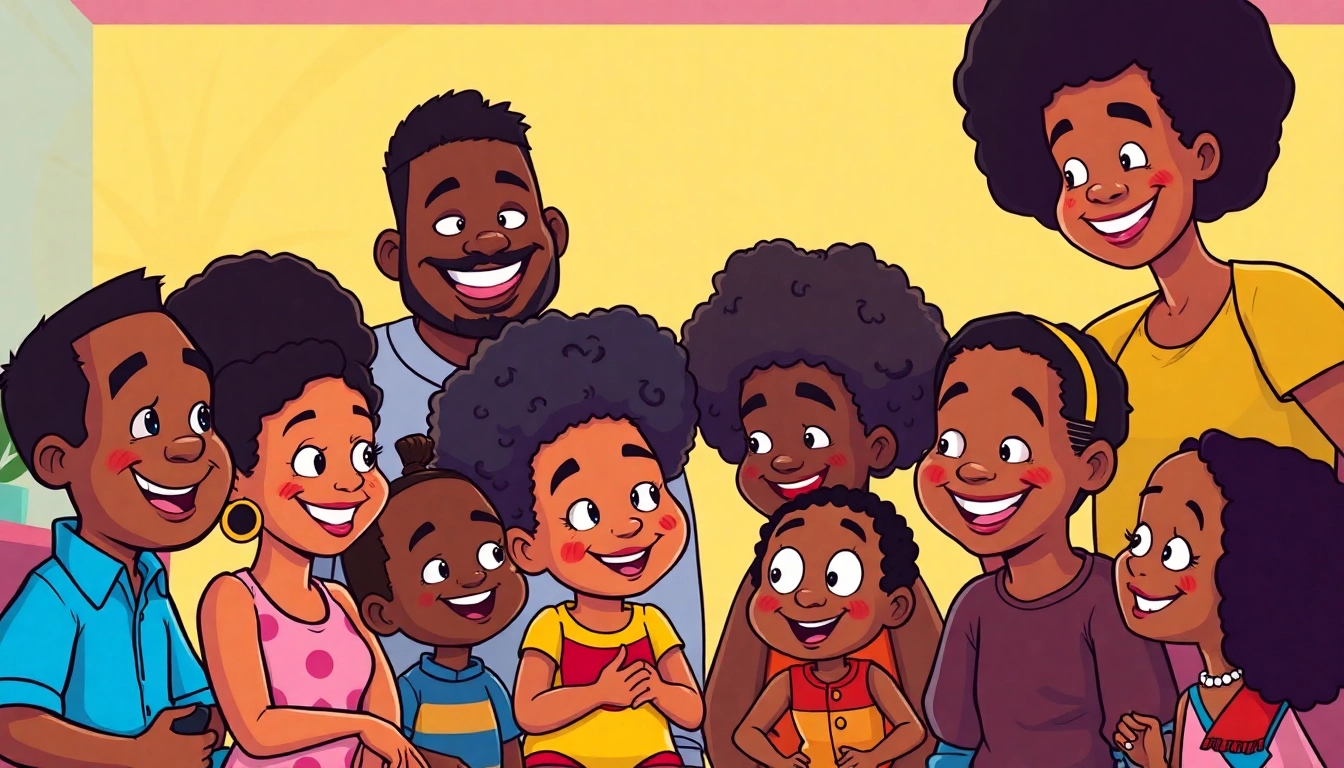
Understanding the Significance of African American Cartoons
African American cartoons hold an essential place in the cultural landscape of animation, offering not only entertainment but also critical social commentary and representation. Over the decades, they have evolved from simplistic caricatures to complex narratives that address a myriad of issues, including identity, race, and community. Today, as audiences seek diverse storytelling, African American Cartoons play a pivotal role in shaping perceptions and fostering inclusivity.
1. Historical Context and Cultural Impact
The roots of African American cartoons can be traced back to the early 20th century, where figures like Winsor McCay introduced characters that, albeit unintentionally, depicted racial stereotypes. However, as time progressed, African American artists began to reclaim animation as a medium for storytelling, leading to important works that celebrated Black culture and challenged societal norms. Series like “Fat Albert and the Cosby Kids” and “The Boondocks” not only entertained but also sparked discussions around race and social justice, making them culturally significant beyond their comedic value.
2. Key Figures in African American Animation
Several key figures have been instrumental in advancing African American representation in animation. For instance, cartoonist Aaron McGruder created “The Boondocks,” a series that combined sharp satire with poignant social critique. Another notable figure is Bruce W. Smith, who created “The Proud Family,” a groundbreaking series that explored the lives of an African American family and addressed various social issues while appealing to younger audiences. Their contributions exemplify how African American creators have reshaped the narrative landscape in animation.
3. Diversity and Representation in Modern Cartoons
Today, the animation industry is witnessing a surge in diversity, with various networks and streaming platforms investing in original content that centers around African American experiences. Shows like “Craig of the Creek” and “Doc McStuffins” not only feature diverse casts but also encompass storylines that promote cultural understanding and representation. This shift reflects a growing acknowledgment of the importance of inclusivity in media, paving the way for future generations of animated storytelling.
Top African American Cartoons You Need to See
1. Iconic Classics That Shaped Animation
Several classic African American cartoons have left an indelible mark on the industry. “Fat Albert and the Cosby Kids” premiered in 1972, becoming a staple of Black animation by presenting relatable characters and life lessons. Another iconic series is “The Jetsons,” which introduced characters like George Jetson and set the stage for future animated family dynamics. These shows not only entertained but also laid the groundwork for future creators in the field.
2. Contemporary Hits Celebrating Culture
In recent years, contemporary cartoons have emerged that celebrate African American culture with authenticity and creativity. “The Proud Family: Louder and Prouder” is a revival that embraces themes of family, friendship, and identity, resonating with both older fans and new audiences. Additionally, “Harlem’s Kitchen” is a notable title that weaves together culinary tales with vibrant animation, highlighting the richness of African American heritage in a fresh light.
3. Under-the-Radar Gems Worth Enjoying
While many may be familiar with mainstream titles, several under-the-radar African American cartoons deserve recognition. “Bino and Fino” is an educational series aimed at children that showcases African culture through storytelling and adventure. Similarly, “Motown Magic” blends music and animation to introduce children to the iconic sounds of Motown, offering a delightful experience that teaches history through entertainment.
Character Development in African American Cartoons
1. Role Models and Their Influence
The characters in African American cartoons often serve as vital role models for young viewers, depicting resilience, intelligence, and creativity. Characters like Huey and Riley Freeman from “The Boondocks” not only challenge societal stereotypes but also encourage discussions on race and identity. These representations are crucial for empowering children and helping them navigate their own cultural identities.
2. Cultural Nuances in Character Design
African American cartoons often incorporate cultural nuances that are deeply ingrained in the characters’ designs and story arcs. For example, the exaggerated features and distinctive clothing styles seen in “Fat Albert” reflect the cultural backdrop of the 1970s, while modern shows like “Craig of the Creek” showcase a variety of cultural backgrounds, emphasizing the importance of representation.
3. Storytelling Techniques That Resonate
The storytelling techniques employed in African American cartoons often draw from oral traditions, emphasizing narrative depth and character development. Showrunners focus on crafting stories that resonate emotionally with audiences, integrating humor and poignant moments to convey meaningful messages. This blend of storytelling not only entertains but also educates viewers about the complexities of the African American experience.
Lessons Learned from African American Cartoons
1. Social Commentary Through Humor
One of the most powerful aspects of African American cartoons is their ability to deliver social commentary through humor. Shows like “The Boondocks” utilize satire to critique societal norms, while maintaining an entertaining and engaging format. This approach encourages audiences to reflect on serious issues while enjoying the narrative, making it an effective tool for social change.
2. Empowerment and Cultural Identity
African American cartoons often empower viewers by fostering a strong sense of cultural identity. Characters frequently navigate challenges that reflect the real-life experiences of their communities, providing relatable narratives that inspire confidence and resilience among young audiences. The portrayal of diverse families, friendships, and triumphs serves as a reminder of the strength found within cultural heritage.
3. Accessibility and Educational Value
Many African American cartoons are designed with education in mind, offering lesson plans and resources for parents and educators. Shows like “Doc McStuffins” promote empathy, health, and wellness, while also celebrating Black culture. This educational value enhances the accessibility of these cartoons, making them a valuable tool for teaching cultural awareness and social skills to children.
Future Trends in African American Animation
1. Technological Innovations in Animation
The animation industry is evolving rapidly, with technological innovations leading to new storytelling possibilities. Advances in 3D animation and virtual reality are set to change the landscape, allowing African American creators to explore narratives in dynamic and engaging ways. These tools will enable the creation of more immersive experiences that bring African American stories to life.
2. Emerging Voices in the Industry
As diversity and representation continue to be prioritized, a new wave of emerging voices in African American animation is gaining recognition. Independent creators and studios are producing content that reflects authentic narratives and experiences, pushing the boundaries of mainstream animation. Their contributions are vital for ensuring that a variety of perspectives are represented in animated storytelling.
3. Predictions for the Future of Representation
The future of African American animation looks promising, with trends pointing towards increased representation across all platforms. As audiences demand diverse content, networks and streaming services are more likely to greenlight projects featuring African American voices and stories. This shift will not only enrich the animation landscape but also inspire future generations of creators who can envision their stories represented in this medium.