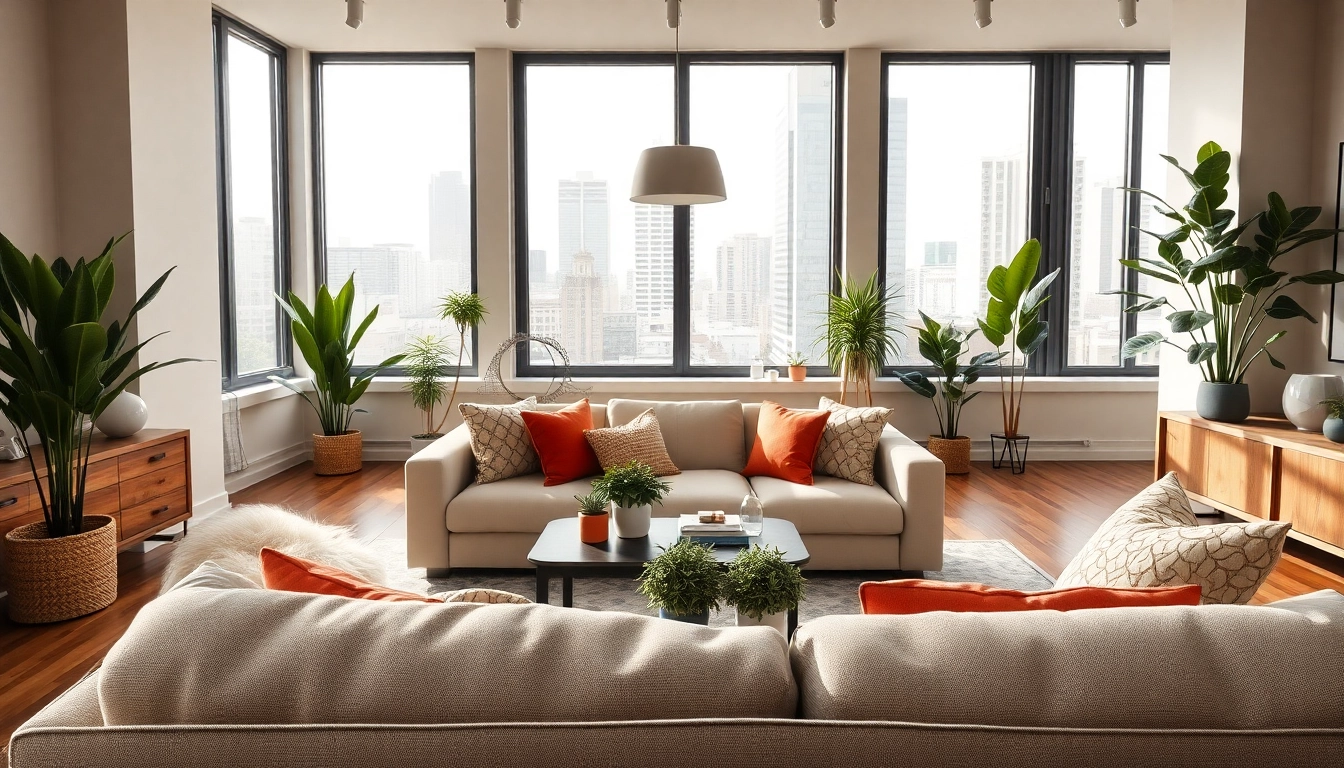
Understanding Seamless Living
Defining the Concept of Seamless Living
Seamless Living represents an innovative approach to home design and lifestyle that emphasizes harmony, flow, and connectivity between various living areas. It’s about creating spaces that promote ease and comfort while allowing the inhabitants to transition smoothly throughout their environment. This philosophy builds on principles of minimalism, environmental psychology, and holistic living, resulting in a lifestyle that not only looks inviting but also functions efficiently. By embracing Seamless Living, homeowners can transform their residence into a sanctuary that fosters relaxation and productivity.
The Importance of Flow in Design
Flow in design refers to the smooth transitions between spaces, facilitating a sense of unity throughout the home. An effective layout encourages movement from one area to another, minimizing barriers and disruptions. This interconnectedness can be achieved through open floor plans, strategic furniture placement, and continuous materials that weave throughout different spaces. The result is a home where inhabitants feel free and unconfined, fostering creativity and relaxation.
Key Elements of Seamless Living Environments
Several elements contribute to creating a Seamless Living environment:
- Open Spaces: Reducing physical barriers enhances connectivity, allowing natural light to flow through and energize the environment.
- Consistent Materials: Using similar flooring, colors, and materials creates visual continuity, making the space feel larger and more cohesive.
- Functional Zones: Define different areas for activities (like work, relaxation, and entertainment) while still maintaining a sense of unity in design.
- Natural Elements: Incorporating plants and organic materials brings warmth and life into the space, enhancing overall well-being.
Creating a Cohesive Color Palette
Selecting Complementary Colors
A cohesive color palette is vital in achieving a seamless aesthetic. Choosing complementary colors—hues that sit opposite each other on the color wheel—can create a vibrant energy in spaces while maintaining balance. For instance, pairing soft blues with warm oranges can invigorate a room. Consider swatches and samples before committing, ensuring that the chosen palette resonates well in different lighting throughout the day.
Understanding Color Psychology
Colors evoke emotions and set moods, making their choice crucial in creating a seamless living environment. For example, blues promote tranquility, greens inspire rejuvenation, and yellows can induce cheerfulness. Understanding how different colors affect mood will guide your selections, leading to a home that nurtures its inhabitants’ emotional needs and enhances daily experiences.
Implementing Monochromatic Themes
Monochromatic themes focus on varying shades of a single color, allowing for depth and layering without overwhelming contrast. This approach creates a sophisticated and serene atmosphere. By playing with textures and finishes—like matte and glossy surfaces—not only does the space remain visually interesting, but it also fosters continuity across different areas of your home.
Furniture Choices for Seamless Living
Space-Saving Options
In smaller spaces, choosing furniture that saves space is essential to maintain flow and functionality. Look for pieces that can be easily tucked away or reconfigured, such as foldable tables, nesting tables, or a Murphy bed. These options ensure that the space can adapt to various needs without clutter. The right furniture helps create a seamless transition between functionality and aesthetics.
Multi-functional Furniture Benefits
Investing in multi-functional furniture allows you to maximize space without sacrificing style. For instance, ottomans that double as storage cubes, or a sofa that converts to a bed, can significantly enhance the versatility of your living area. This adaptability ensures that your home remains organized and flows freely from one activity to another.
Natural Materials for a Cozy Feel
The use of natural materials such as wood, stone, and organic textiles helps warm up spaces and introduce a rustic charm. These materials promote a connection to nature, which represents a critical aspect of Seamless Living. By opting for sustainably sourced, high-quality natural materials, you not only enhance the visual appeal but also contribute to a healthier indoor environment.
Enhancing Natural Lighting
Maximizing Window Spaces
Natural light is an integral part of creating an inviting living space. Maximizing window spaces, whether through large panes or strategically placed windows, can significantly enhance the amount of light that enters the home. Consider using sheer curtains that diffuse harsh sunlight while still allowing light to flow through, ensuring a bright and airy atmosphere throughout the day.
Choosing Light Fixtures Wisely
When it comes to indoor lighting, a mix of ambient, task, and accent lighting is essential to establish the right atmosphere. Choose fixtures that complement your overall design while also being practical. Pendant lights, floor lamps, and wall sconces offer different lighting options and can be used to illuminate specific areas, creating intimate zones throughout the home.
Role of Mirrors in Light Reflection
Mirrors can exponentially increase the perception of space while reflecting natural light around the room. Place mirrors opposite windows or in darker corners to maximize light reflection. In addition to their practical use, mirrors can also serve as decorative elements that contribute to the overall aesthetics of the Seamless Living environment.
Maintaining a Seamless Living Space
Daily Organization Tips
To maintain the integrity of a Seamless Living environment, daily organization is key. Implement strategies like decluttering regularly, assigning dedicated spaces for items, and using storage solutions that complement the interior design. Creating small routines—like a 10-minute tidy-up at the end of each day—can help you keep your living space organized and enjoyable to inhabit.
The Impact of Minimalism
A minimalist approach aligns perfectly with the principles of Seamless Living. By reducing excess and focusing on quality, you can create a more peaceful environment. Incorporate only essential items that serve a purpose or bring joy. A clean, uncluttered space fosters clarity and a sense of serenity, essential for a balanced lifestyle.
Greenery and Its Role in Well-being
Incorporating plants not only enhances the aesthetic appeal of your home but also contributes to emotional and physical well-being. Plants improve air quality, reduce stress, and can even enhance productivity. Strategically position greenery throughout your living space—such as on window sills, shelves, or as a focal point in communal areas—to promote a healthier and more harmonious living environment.
FAQs About Seamless Living
What is Seamless Living?
Seamless Living is a design and lifestyle philosophy that focuses on creating harmonious and easily navigable home environments that promote comfort and ease.
How can I enhance flow in my home?
You can enhance flow by removing unnecessary barriers, choosing furniture wisely, ensuring open spaces, and utilizing a color palette that promotes visual continuity.
What colors are best for a seamless living space?
Soft, complementary colors work best for a seamless living space as they create tranquility and visual harmony. Pastels and neutral tones are often ideal choices.
What types of furniture should I choose for small spaces?
Opt for multi-functional and space-saving furniture, such as folding tables, storage ottomans, and convertible sofas to maximize comfort without overcrowding.
How do plants contribute to Seamless Living?
Plants enhance air quality, reduce stress, and bring nature indoors, fostering a more inviting and cohesive living environment.