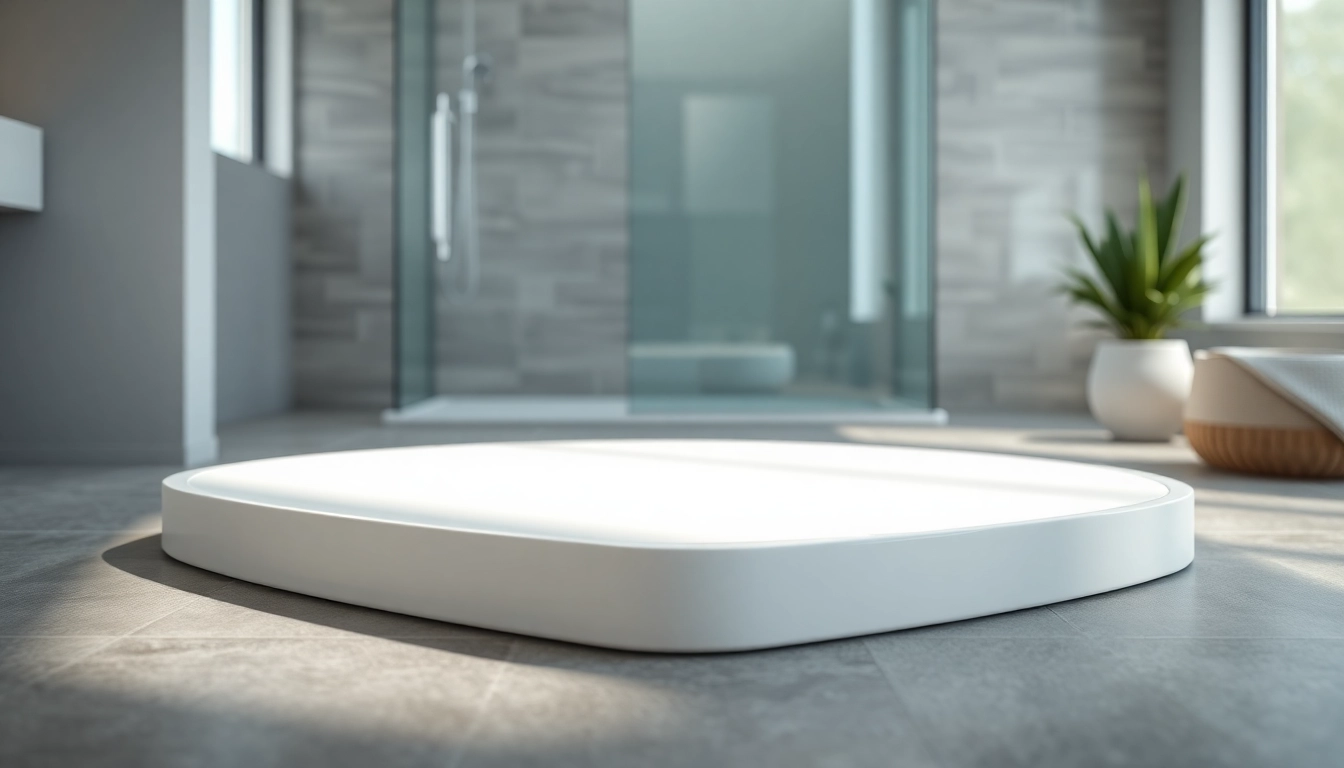
Understanding Shower Base Options
When renovating your bathroom, selecting the right shower base is a crucial decision that can impact both functionality and aesthetics. Shower bases serve as the foundation for your shower enclosure, supporting not only the weight of the water but also enhancing the overall design of your bathroom. In this guide, we will explore the various options available, installation techniques, the benefits of upgrading your existing shower base, maintenance practices, and answers to common questions regarding shower bases.
Types of Shower Bases
Choosing the right type of shower base is essential for achieving an optimal balance of style, functionality, and ease of installation. Here are the primary types of shower bases available:
- Standard Shower Pans: These are pre-formed bases ideal for standard-sized showers. They are easy to install and generally made from fiberglass or acrylic.
- Tile Shower Bases: Providing a customizable option, tile shower bases allow homeowners to select their favorite tile patterns and materials. However, they require a skilled installation to ensure proper drainage and waterproofing.
- Curbless Shower Bases: Gaining popularity in contemporary bathroom designs, curbless bases provide a seamless transition, enhancing accessibility while creating a modern aesthetic.
- Custom Shower Bases: For unique bathroom layouts, custom bases can be designed to fit specific dimensions and styles, although they typically come at a higher cost and require professional installation.
Materials Used for Shower Bases
The material of your shower base influences its durability, visual appeal, and maintenance requirements. Here are some common materials used for manufacturing shower bases:
- Acrylic: Lightweight and easy to clean, acrylic bases are resistant to staining and scratching, making them a popular choice.
- Fiberglass: Similar to acrylic in weight, fiberglass is less expensive but may not be as durable. It can be prone to fading and scratching.
- Stone Resin: Offering a premium look and exceptional durability, stone resin shower bases are solid and feel luxurious but can be heavier and more expensive.
- Porcelain or Ceramic: While typically used in tile installation, these materials can also offer a solid base. They are durable but can be slippery when wet.
- Stainless Steel: Occasionally used for contemporary designs, stainless steel bases provide a modern, industrial look, but may require more upkeep to ensure a gleaming finish.
Choosing the Right Size
The size of your shower base should complement the overall dimensions of your bathroom while providing ample space for movement. When selecting the size, consider the following:
- Standard Sizes: Common sizes are typically 32x32, 36x36, or 48x36 inches, but larger configurations are also available to accommodate more spacious showers.
- Available Space: Measure the area designated for your shower installation while considering any adjacent fixtures like toilets or vanities.
- Walking Space: Ensure that you allocate enough room for comfortable entry and exit from the shower, keeping space for surrounding walls or shower doors.
- Accessibility Needs: If accessibility is a priority, larger spaces and curbless designs may be beneficial.
Installation Process of Shower Bases
Installing a shower base is a task that requires careful planning and execution. Whether you consider a DIY project or hire professionals, understanding the installation process is essential.
Preparation Steps before Installation
Before installing a shower base, follow these key preparation steps:
- Gather Tools and Materials: Assemble all necessary tools, including a level, measuring tape, utility knife, and caulking gun, and gather your materials.
- Check Drain Location: Ensure that the plumbing is correctly positioned and that the drain will align with your chosen shower base.
- Subfloor Preparation: Inspect the subfloor for any damage, ensuring it can support the weight of the shower base. It may also require reinforcement.
- Waterproofing: Applying a waterproof membrane or liner is crucial to prevent leaks and water damage to the surrounding structure.
Installation Techniques
The installation of a shower base can vary depending on its type and material. Here is a general step-by-step process:
- Place the shower base into position and ensure it’s level. Make adjustments as needed by using shims.
- Once level, mark the drain location on the shower base.
- Apply adhesive around the perimeter of the base to secure it to the subfloor.
- Align and attach the drain assembly according to the manufacturer’s instructions, ensuring a tight seal.
- Secure the base in place and connect the plumbing, double-checking for leaks.
- Finish off by applying caulk along the edges where the base meets the walls for waterproof sealing.
Post-Installation Tips
Once your shower base is installed, here are some essential tips to ensure its longevity:
- Allow adequate curing time for any adhesives or sealants used during installation before using the shower.
- Inspect regularly for any signs of water leaks around the edges or drain area.
- Keep the shower area well-ventilated to reduce moisture buildup, which can cause mold and mildew.
Benefits of Upgrading Your Shower Base
Upgrading your shower base not only enhances the functionality of your bathroom but also provides several long-term advantages:
Improved Style and Aesthetics
A new shower base can transform the look of your bathroom. Opting for modern materials, colors, and designs can add a contemporary flair and increase overall visual appeal. Whether you choose a sleek stone resin base or a vibrant tiled finish, an upgraded shower base can serve as a focal point in your bathroom renovation.
Enhanced Durability
Older shower bases may suffer from wear and tear over time. Upgrading ensures that you invest in materials known for their durability, such as stone resin or high-quality acrylic. These modern materials resist chipping, scratching, and fading, leading to a longer lifespan and reduced need for repairs.
Increased Home Value
Investing in a quality shower base can significantly enhance your home's market value. Prospective buyers often place high importance on the condition and aesthetics of bathrooms. A well-maintained, stylish shower base can make your property more attractive and potentially yield a higher selling price.
Maintenance Tips for Shower Bases
Cleaning and Care
To keep your shower base looking pristine, a regular cleaning routine is essential:
- Use a mild detergent and warm water to clean the surface, avoiding abrasive cleaners that can scratch.
- After each use, rinse the base with warm water to remove soap scum and mineral deposits.
- For stubborn stains, consider baking soda as a gentle scrub or a non-abrasive cleaner specific to your base material.
Avoiding Common Damage
Preventing damage to your shower base involves implementing some practical habits:
- Consider using a non-slip mat to minimize slips, especially on smoother materials.
- Avoid dropping heavy items on the base that could lead to cracks or dents.
- If you have a tiled shower base, ensure that grout is regularly checked and maintained to prevent water infiltration.
When to Replace Your Shower Base
Knowing when it’s time to replace your shower base is vital. Signs to watch for include:
- Cracks or chips that allow water to seep through.
- Persistent leaks even after repairs and sealant application.
- Fading or discoloration that detracts from your bathroom's aesthetic.
- A base that feels unstable or wobbles when you step on it, indicating subfloor issues.
Frequently Asked Questions about Shower Bases
What materials are best for shower bases?
Acrylic and stone resin are popular for their durability and ease of maintenance. Tile offers aesthetics but requires more upkeep.
How do I know the right size for my shower base?
Measure the intended shower space while considering adjacent fixtures for a comfortable fit to ensure efficient space utilization.
Can I install a shower base myself?
Yes, a DIY installation is possible, but beginners should consider hiring a professional for complex configurations to ensure proper installation.
How often should I clean my shower base?
Clean your shower base weekly and rinse it after each use to prevent soap scum and mineral buildup, ensuring longevity.
What should I consider when upgrading my shower base?
Consider style, durability, material, size, and drainage options that fit your bathroom layout and enhance its overall appeal.