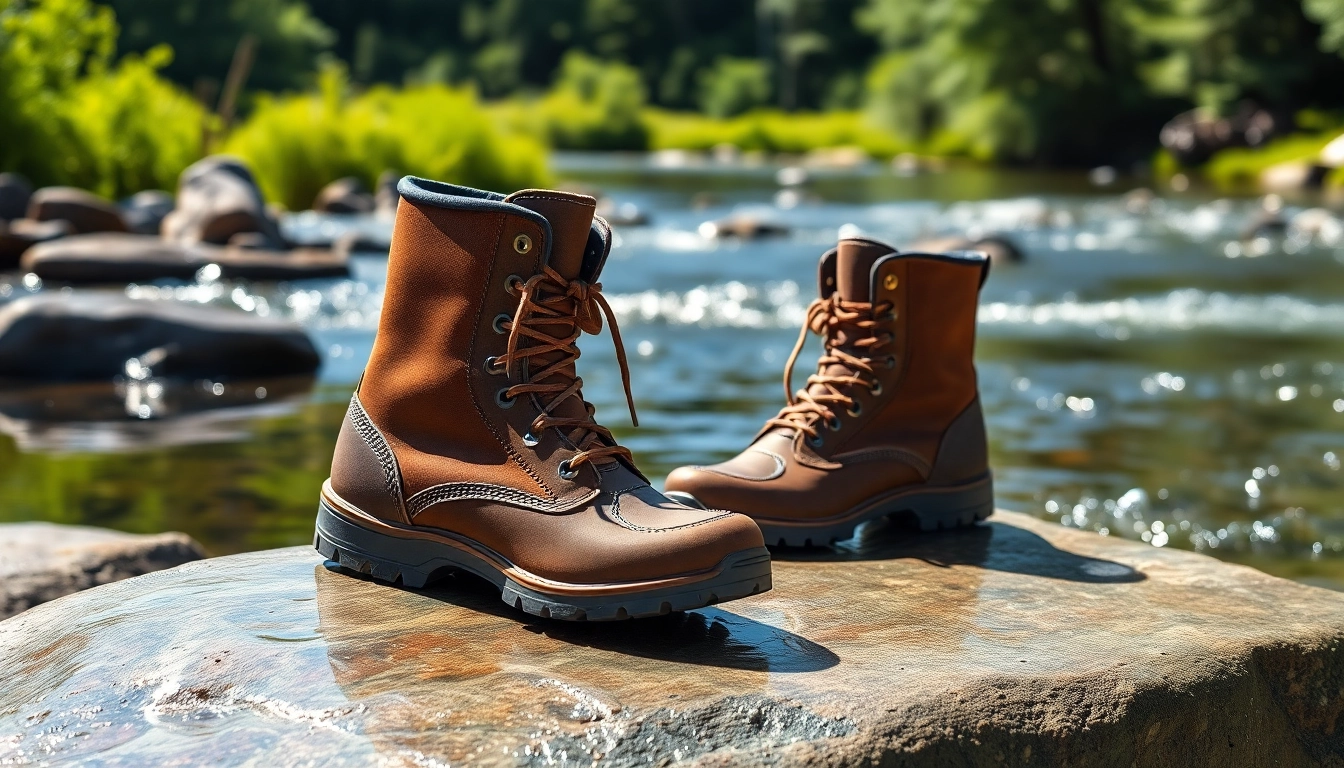
Understanding Fly Fishing Boots
Fly fishing is a rewarding outdoor activity that requires the right gear for optimal success and comfort. At the foundation of this gear is the often overlooked, yet essential piece of equipment: fly fishing boots. When venturing into unpredictable waters, having a reliable pair of Fly fishing boots can make a significant difference in your experience. Explore the world of fly fishing boots, their importance, and how to choose the right pair for your adventure.
What Are Fly Fishing Boots?
Fly fishing boots are specially designed footwear that provide support, stability, and traction for anglers while wading in rivers, streams, or lakes. Unlike regular footwear, they are constructed with specific materials and features that help tackle the challenging conditions of aquatic environments. A good pair of fly fishing boots will typically feature waterproof materials, specialized soles for traction, and designs that accommodate waders.
Importance of Choosing the Right Boots
Selecting the appropriate fly fishing boots is crucial for several reasons:
- Safety: Slippery rocks and uneven terrains are common in fishing locations. Boots with proper traction can prevent accidents.
- Comfort: Having the right fit can reduce fatigue, allowing for longer fishing sessions without discomfort.
- Durability: Quality fly fishing boots are designed to withstand harsh conditions, ensuring you get the most out of your investment.
Different Types of Fly Fishing Boots
There are several types of fly fishing boots, each catering to different fishing environments and angler preferences. The primary categories include:
- Breathable Wading Boots: Ideal for warm weather, these boots allow for moisture control, keeping feet dry and comfortable.
- Waterproof Wading Boots: Best for colder conditions, offering insulation and protection from water.
- Felt-Soled Boots: Designed for traction, they perform well in slippery environments but are less effective in hard, flat surfaces.
- Rubber-Soled Boots: Versatile and durable, these soles offer excellent traction on hard surfaces and can work in a variety of fishing conditions.
Key Features of Quality Fly Fishing Boots
Traction and Sole Types
The sole of a fly fishing boot is one of the most critical components, directly affecting performance. Traction is essential to avoid slipping on wet rocks or muddy banks. There are two primary sole types:
- Felt Soles: Known for their excellent grip on slippery surfaces, felt soles are ideal for navigating rocky riverbeds.
- Rubber Soles: These soles provide versatility and durability, performing well in various conditions, including rocky and muddy terrains.
Waterproofing and Breathability
A good pair of fly fishing boots should strike a balance between being waterproof and breathable. Waterproof materials keep your feet dry while wading, whereas breathability helps regulate temperature and moisture from sweat accumulation. Many high-quality boots feature Gore-Tex or similar membrane technology that provides both functions effectively.
Fit and Comfort Factors
Quality fit is paramount in fly fishing boots. A well-fitted boot will not cause blisters or discomfort during extended use. Look for boots that provide adequate arch support, cushioning, and room for appropriate layering if you wear socks or waders. Always try on boots with the specific socks you plan to wear while fishing to ensure compatibility.
Best Practices for Care and Maintenance
Cleaning Your Fly Fishing Boots
After each fishing trip, it's essential to clean your boots effectively. Rinse off any mud, sand, or debris. Use a soft brush to remove stubborn dirt, especially from textured areas. For boots with felt soles, consider using a scrub brush to free trapped particles that could harbor invasive species.
Storage Tips for Longevity
To extend the life of your fly fishing boots, store them in a cool, dry location away from direct sunlight. Avoid crumpling or bending the boots; instead, keep them in an upright position. Consider using boot trees or stuffing them with newspaper to maintain their shape.
Signs of Wear and When to Replace
Periodic inspections can help identify signs of wear. Look for frayed seams, separating soles, or significant abrasion. If your boots are no longer keeping your feet dry or comfortable, it may be time to consider replacement. Regularly replacing your boots ensures optimal performance and safety while fishing.
Common Problems and Solutions
Dealing with Wet and Slippery Conditions
Wet and slippery conditions are common challenges when fly fishing. To mitigate risks, ensure your boots have appropriate soles for added traction. Additionally, consider using studded soles or traction aids designed specifically for slippery environments.
Choosing between Felt and Rubber Soles
The choice between felt and rubber soles often depends on fishing conditions. Felt soles offer superior grip in wet, rocky conditions but may not be suitable for gravelly or sandy areas. Rubber soles, while versatile, may lack the grip of felt in some environments. Assess your specific fishing locations and conditions when making a decision.
Handling Foot Pain and Discomfort
If you experience foot pain while fishing, consider the following solutions: ensure you have a proper fit, switch to more cushioned socks, or invest in orthotic insoles for additional support. Taking regular breaks to rest your feet can also help alleviate discomfort.
Frequently Asked Questions about Fly Fishing Boots
What should I look for in fly fishing boots?
Look for waterproofing, traction type (felt or rubber), comfort, fit, and breathable materials for temperature regulation.
Are expensive fly fishing boots worth it?
Generally, yes. Quality boots enhance safety, comfort, and durability, ultimately providing better performance in challenging conditions.
Can I use regular boots for fly fishing?
While you can use regular boots, they often lack the necessary traction, support, and waterproofing features that specialized fly fishing boots provide.
How do I maintain my fly fishing boots?
Clean them regularly, dry them after exposure to water, store them properly, and inspect them for wear to ensure longevity.
What are the best conditions for using felt-soled boots?
Felt-soled boots excel in slippery, rocky environments like rivers and streams, providing excellent grip on wet surfaces.